
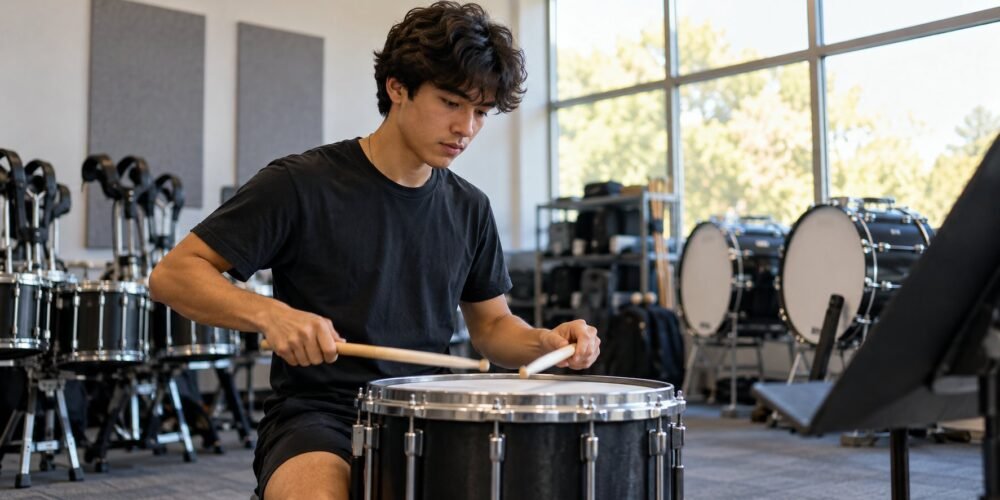

As parents or guardians considering drum corps for your child, understanding the costs, tuition, and overall commitment involved can be daunting. Drum corps is an enriching experience, blending musical excellence and teamwork, but it’s crucial to find the right fit for your family. This guide will delve into important decisions families face, explaining the expected costs and what to consider as you evaluate different corps. By the end, you should feel more equipped to navigate the drum corps landscape.
Key Takeaways
– Understand the balance between costs and values provided by various corps.
– Different corps offer unique environments; prioritize what is important for your child’s development.
– Drum corps involves a significant time commitment that families need to prepare for.
– Expenses can vary widely; thorough research and budgeting are essential.
– Audiitions can vary in their requirements and processes, and it’s crucial to understand each corps’s philosophy.
– Be proactive in asking questions to ensure your family’s needs and expectations are met.
Choosing the Right Corps
Program and Corps Fit
Finding the right drum corps involves looking beyond just costs. Some corps cater to beginners while others focus on experienced musicians. Consider how the program aligns with your child’s goals and abilities. Think about:
– Types of music performed (classical, contemporary, etc.)
– Educational resources available
– Competition levels
Performance and Time Commitment
Drum corps typically requires a rare commitment of time and energy. Members may spend several months in rehearsal and performance. Discuss with your child:
– Their current schedule and how they foresee balancing school, social life, and drum corps.
– Pre-season and season schedules, including daily routines and commitments during tours.
Skill Development
Many corps focus on not just performance but personal growth. Look for:
– Instructional programs and the caliber of educators.
– Opportunities for individual skill building through sectionals and ensemble work.
– Feedback mechanisms for continuous improvement.
Corps Class and Culture
Every corps has its own culture, and understanding this dynamic is vital. Some are known for their competitive nature, while others foster a more community-oriented vibe. Investigate:
– The corps’s philosophy (e.g., focus on winning vs. personal growth).
– Member testimonials to gauge the environment and camaraderie.
– Diversity and inclusivity initiatives.
Auditions
Audition processes can vary significantly between corps. Prepare for:
– Specific audition requirements, such as materials needed or performance pieces.
– Potential costs associated with auditions, like travel or fees.
– Feedback processes after auditions, fostering constructive growth.
Travel and Distance
Consider the logistics involved, especially if attending a corps far from home:
– What the tour schedule looks like and how often members return home.
– Travel costs and associated distances, including transportation arrangements.
– Accommodation during the tour – is this organized by the corps or should families plan for travel costs?
Costs and Family Planning
Understanding the financial aspects is crucial. Costs typically include:
– Tuition fees and what they cover (instruction, uniforms, food during tours, etc.).
– Additional costs, like travel, equipment, and personal items.
– Fundraising opportunities or scholarships offered by the corps.
Be transparent with your child about the financial commitment and involve them in discussions.
Questions to Ask Corps Staff
Before committing, ensure to ask any potential corps staff these critical questions:
– What does the tuition cover?
– Are there additional costs we should anticipate?
– What kind of fundraising or scholarships are available?
– How does your corps handle different skill levels?
– What resources or support do you offer for member development?
– What is the average time commitment expected from members during the season?
Practical Comparison Worksheet
To help in your decision-making, consider creating a worksheet comparing corps. List the following for each corps you consider:
– Corps Name
– Tuition Costs
– Included Services (travel, meals, uniforms)
– Skill Development Opportunities
– Audition Processes
– Culture and Fit Notes
– Travel Logistics
FAQs
1. **What factors influence drum corps costs?**
– Corps costs can vary based on location, reputation, and the services they provide, including instruction and travel.
-
Are scholarships available for drum corps members?
- Most corps offer scholarships based on need or merit; inquire directly with each organization.
-
How can families help reduce costs?
- Many corps utilize fundraising as a means to support members; involvement can ease financial burdens.
-
What should families prepare for during drum corps season?
- Ensure schedules align for travel and support, and be ready for the commitment that members make.
-
Can younger students audition for drum corps?
- Age requirements vary, so confirm directly with the corps you’re interested in.
-
How often do members get together for rehearsals?
- Rehearsal schedules can differ, but expect significant commitment, especially in the lead-up to performances.
-
What is the difference between Open Class and World Class corps?
- Open Class tends to focus on younger or less experienced members, while World Class usually comprises higher-level performers.
-
Is drum corps a year-round commitment?
- While many corps have seasonal performance schedules, some may engage members in off-season workshops or training.
In summary, understanding drum corps costs and tuition involves exploring various aspects of each corps, including culture, the commitment required, and the skills developed. Engage with prospective corps and families to build the most accurate picture for your situation. Verify all details directly with each corps and utilize the DrumCorps.net directory to compare programs according to your child’s needs.