

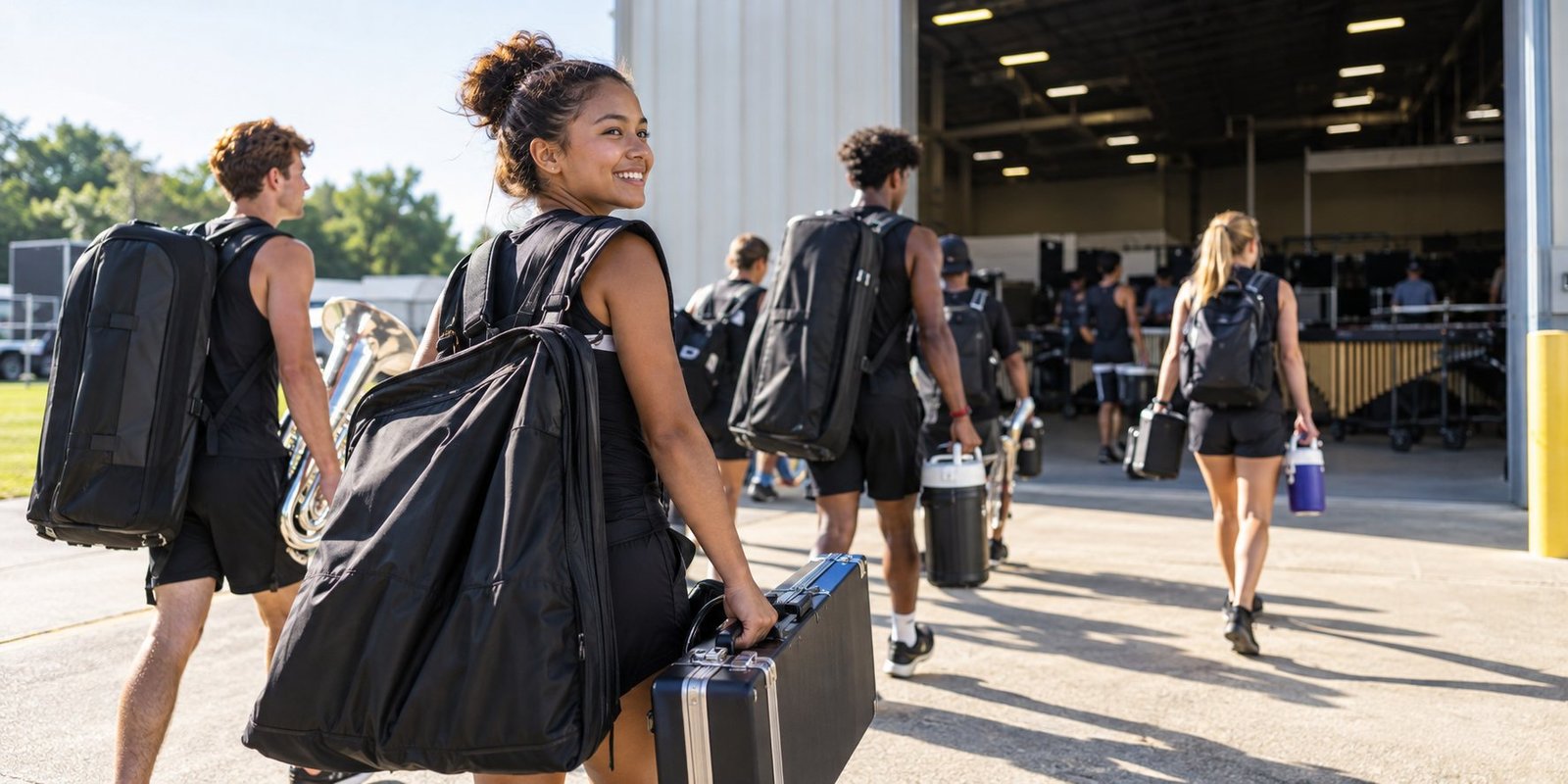
Choosing the right drum corps is a pivotal step for both prospective members and their families. The decision influences not only your musical growth but also shapes your overall experience in a competitive and immersive environment. Evaluating factors like skill level, commitment, culture, and financial considerations can help families identify the best fit. Preparation for auditions is equally crucial, impacting both the member’s potential success and integration into the corps. This guide aims to provide practical advice for making an informed decision tailored to your needs.
Key Takeaways
– Assess your skill level relative to the corps you’re considering.
– Understand the commitment needed in terms of time and travel.
– Evaluate how each corps supports skill development and has a compatible culture.
– Prepare accordingly for auditions and other requirements.
– Consider financial implications and how they fit into your family budget.
Comparing Program and Corps Fit
When selecting a corps, begin by reviewing their program. Each corps will have a unique focus whether it’s on developing performance art, competitive excellence, or educational values. Here are some points to consider:
1. Your Skill Level
Corps vary widely in the skill level they attract. Research participating groups to identify where you align. Consider:
- Beginner vs. Advanced: Some corps cater to beginners looking for growth, while others may expect members to have a more advanced skill set.
- Technical Demand: Evaluate if the corps’ expectations match your current capabilities with respect to technique.
2. Performance Style
Every corps has a distinct performance style influenced by their instructional approach. Some may emphasize traditional marching techniques, while others focus on innovative performance art. Understanding this difference can help you find a corps that resonates with your unique musical identity.
Performance and Time Commitment
Involvement in a drum corps often entails rigorous performance schedules that vary significantly by organization.
1. Rehearsal Schedule
Be prepared for extensive rehearsal schedules during the season, typically spanning several weeks to a few months, with daily practices during peak times. Verify:
- Frequency of Rehearsals: Are rehearsals scheduled weekly or multiple times a week?
- Off-Season Activities: Many corps engage in off-season camps; identify if that applies to your potential commitment.
2. Touring Schedule
Performance tours may be lengthy, requiring significant travel. Build a sense of your availability:
- Tour Length: Expect to be away for a considerable time, often up to three months.
- Location of Shows: Assess if they’re local to your area to gauge travel logistics.
Skill Development
Development opportunities vary from corps to corps. Understand their educational environments to ensure they match your learning goals.
1. Instruction Quality
Investigate:
- Instructor Credentials: Look into the qualifications and experience of the instructional staff.
- Education Approach: Identify how the corps focuses on fostering both ensemble and solo skills.
2. Progress Tracking
Find out how each corps tracks progress and provides feedback throughout the season to ensure consistent development in individual skills.
Corps Class and Culture
Every corps has its own culture and ethos, which can significantly affect your experience.
1. Core Values
Reach out to current or former members to gather insight about the corps’ values, as these could influence the overall atmosphere.
2. Inclusivity and Community
Evaluate the mood and camaraderie within the corps, understanding how it feels to be part of that community.
Auditions
Audition processes can vary. Understanding this helps families prepare adequately.
1. Preparation Resources
Identify what resources are available for audition preparation:
- Camps and Workshops: Some corps offer preparatory workshops to enhance audition readiness.
- Audition Material: Review the materials and requirements early to align your practice accordingly.
2. Audition Format
Each corps may conduct auditions differently, whether through individual performances or group sessions. Make sure to clarify:
- Criteria for Evaluation: What aspects are emphasized in the audition process?
- Callback Process: Is there a secondary opportunity for members who don’t initially make the cut?
Travel and Distance
Location significantly impacts both convenience and commitment.
1. Proximity to Home
Evaluate travel requirements—proximity to the corps affects rehearsal participation and touring logistics.
2. Travel Costs
Confirm what costs might be incurred related to travel for rehearsals, camps, and performances, including lodging and meals.
Costs and Family Planning
Cost is a major factor for many families. Be sure to inquire about:
1. Tuition and Fees
Pricing structures vary; ask about:
- Tuition Breakdown: What does the tuition cover? Are uniforms, meals, or travel included?
- Payment Plans: Are there options for staggered payments to ease financial burden?
2. Fundraising Opportunities
Some corps may provide avenues for fundraising. Check if students have opportunities to offset costs through participation in fundraising programs.
Questions to Ask Corps Staff
When initiating communication with a prospective corps, prepare a list of questions:
- What is the typical member profile, and how do you evaluate skill levels?
- Can you clarify your rehearsal and tour schedules?
- What support do you provide for skill development?
- How do you foster inclusivity and manage any conflicts that arise?
- What financial commitments can I expect throughout the season?
- Are there opportunities for fundraising or scholarships available?
Practical Comparison Worksheet
Create a comparison worksheet that allows families to visually weigh their options. Include criteria such as:
- Skill level alignment
- Rehearsal and touring commitments
- Financial implications
- Cultural fit and community aspects
Frequently Asked Questions
1. How do I know if I’m ready to audition for a drum corps?
2. What types of costs should I anticipate when joining a corps?
3. Are there age restrictions for participating in drum corps?
4. How much time do I need to commit to rehearsals and shows?
5. Can family members visit during tour?
6. What happens if I cannot attend a rehearsal or performance?
In conclusion, the journey to finding the right drum corps requires careful evaluation of numerous factors, from skill level to financial commitments. While no single corps will be perfect for every individual, ensuring that personal goals align with the corps’ culture and program will lead to a more fulfilling experience. Remember to verify all details with each corps directly and explore the DrumCorps.net directory to compare programs effectively.