
Auditioning for the Raiders Drum Corps can be a thrilling opportunity for aspiring performers and their families. The application process involves preparation, skill development, and a clear understanding of what to expect. This guide aims to walk you through each step of the audition journey, from preparing your materials to understanding the day of the audition, ensuring that you feel confident and informed when taking this significant step.
Key Takeaways
– Understand the specific audition requirements set by the Raiders.
– Prepare diligently with section-specific practice.
– Create a plan for travel, costs, and family involvement.
– Ask the right questions to corps staff to clarify your concerns.
– Follow up after auditions to express appreciation and inquire about next steps.
Audition Preparation Sequence
Preparing for your Raiders audition involves several stages, each designed to enhance your skills and readiness.
1. Research and Understand Requirements
Start by checking the Raiders’ official website for specific audition criteria, including materials, performance requirements, and any associated fees. Reach out to current members or alumni for insights on the corps culture.
2. Create a Practice Schedule
Set aside dedicated time each week to work on your chosen instrument or area of performance.
– **For brass and woodwind players:** Focus on tone production, technical passages, and ensemble playing.
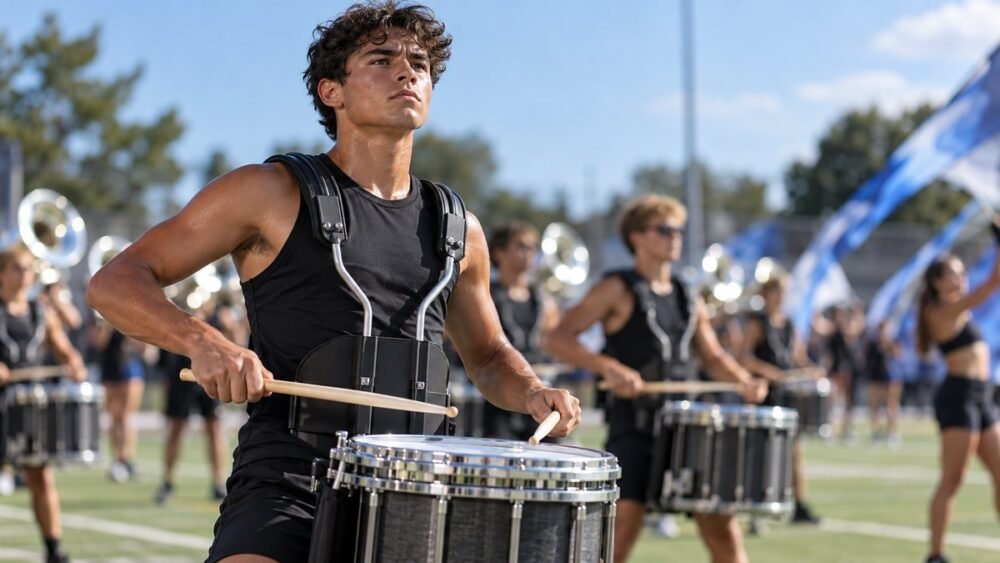
– **For percussionists:** Concentrate on rudiments, reading music, and playing along with a metronome.
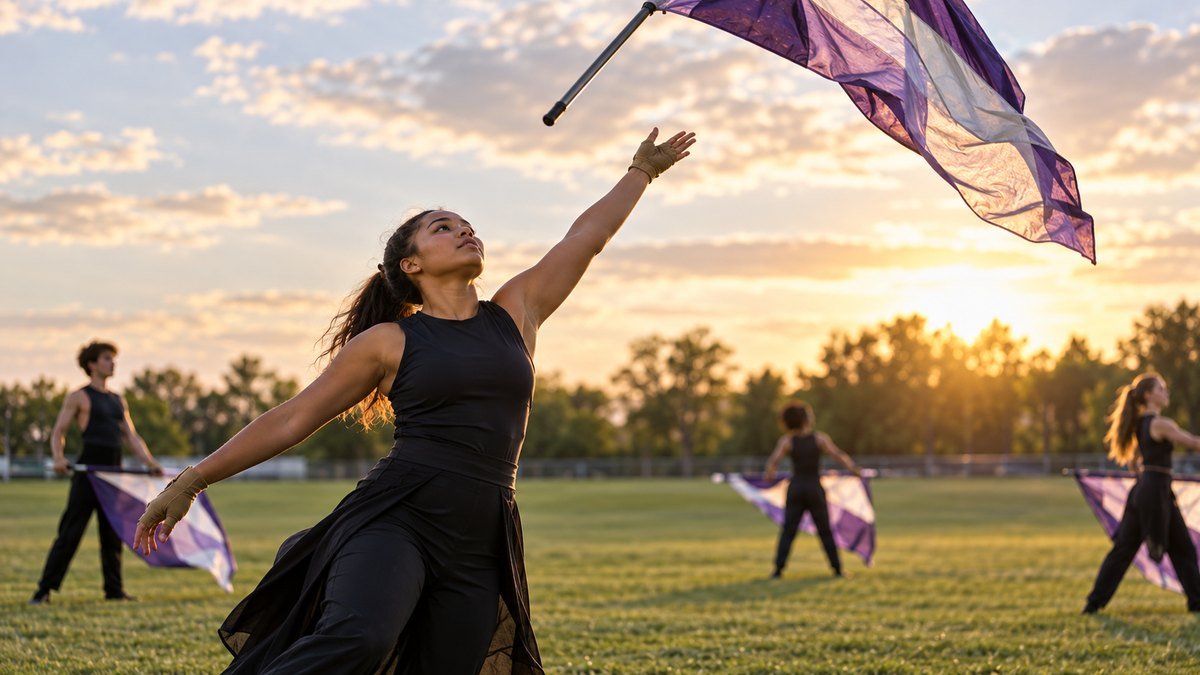
– **For color guard members:** Work on choreography, flexibility, and equipment handling.
3. Develop a Personal Audition Portfolio
Some corps, most likely including the Raiders, may require a performance video. Prepare a high-quality recording that showcases your skills, including diverse pieces that highlight your strengths and versatility.
4. Seek Feedback
Solicit constructive criticism from instructors or experienced performers. This feedback is vital to identify areas for improvement and build confidence.
Section-Specific Practice Guidance
Each section may have tailored practice needs. Here are some general recommendations:
Brass Players
– Test your range and flexibility with long tones and lip slurs.
– Practice common excerpts from the repertoire and solos.
– Work on your sight-reading and ear training to improve overall musicianship.
Woodwind Players
– Emphasize breath control and finger dexterity through scales and exercises.
– Engage in ensemble playing for tuning and blend.
– Improve your improvisation and style through diverse repertoire.
Percussionists
– Master essential rudiments and incorporate them into musical pieces.
– Develop proficiency in various percussion instruments like timpani or marimba.
– Collaborate with other musicians to enhance rhythmic accuracy and timing.
Color Guard Members
– Regularly practice spins, tosses, and flag techniques.
– Create and rehearse your audition routine, focusing on choreography and emotional expression.
– Develop a strong presence and confidence in your performance.
Self-Assessment Checklist
Prior to your audition, evaluate your preparedness using the following criteria:
– Have I thoroughly learned the audition material?
– Am I comfortable performing under pressure?
– Have I received feedback, and am I implementing it?
– Do I understand the corps culture and expectations?
– Have I prepared a thoughtful question list for the staff?
Questions to Ask Corps Staff
When communicating with the corps staff, consider asking the following questions for clarity:
– What are the specific expectations for my instrument or section?
– How is the audition process structured?
– What are the financial commitments involved in joining the corps?
– Can you describe the rehearsal schedule and the time commitment required?
– What support is available for new members in adjusting to the corps lifestyle?
Travel, Cost, and Family Planning
Planning for travel and expenses can be daunting, but with careful preparation, it can be manageable.
1. Budgeting
Calculate potential costs, including travel, accommodations (if needed), audition fees, uniforms, and other gear. Speak with your family about financial support or fundraising options if necessary.
2. Travel Arrangements
Factor in travel time to the audition location. If you’re driving, ensure your vehicle is in good condition. If flying, book tickets early to secure the best rates. If you require accommodation, consider staying with family or friends nearby to save costs.
3. Family Support
Ensure that your family understands your commitment to auditioning and how they can best support you. This includes offering emotional support, helping with transportation, or even attending the audition to cheer you on.
Audition-Day Preparation
On the day of your audition, physical and mental preparation is key.
1. Dress Appropriately
Wear comfortable clothing that allows for ease of movement while still looking professional. Check if there are specific dress codes provided by the corps.
2. Arrive Early
Give yourself plenty of time to get to the venue, allowing you to settle in and reduce anxiety. Familiarize yourself with the space and fellow auditionees.
3. Warm-Up
Take time to warm up your instrument or body before the audition begins. This helps prime your physical and mental state for performance.
4. Stay Positive and Confident
Treat the audition as an opportunity to share your passion for music and performance. Remember, everyone is there for a similar reason, and maintaining a positive mindset can alleviate some performance pressure.
Follow-Up
After your audition, reach out to corps staff to thank them for the opportunity. This simple gesture goes a long way and keeps lines of communication open.
Frequently Asked Questions
1. What is the age limit for joining Raiders?
Specific age limits may vary; confirm with the corps directly.
2. Is previous experience required to audition?
It’s generally beneficial but not always mandatory. Check with the corps for their stance.
3. When will I know the results of my audition?
Timing for results can differ. Ask during your audition about the expected timeline.
4. Are there scholarships available for members?
Inquire with the corps if financial assistance or scholarships are offered.
5. What do I need to bring to the audition?
Typically, instruments, pencil and paper for notes, and a positive attitude. Confirm any specific requirements with the corps.
6. Can family members attend auditions?
Most corps welcome family support. Verify with the staff for any restrictions on attendance.
7. What if I don’t make it the first time?
Persistence is key in drum corps. Many members audition several times before being accepted. Seek feedback to improve for future auditions.
8. How can I prepare during the off-season?
Engage in regular practice, attend workshops, and seek feedback. Consider being involved in local music organizations to maintain your skills.
In conclusion, auditioning for the Raiders Drum Corps is a comprehensive process that requires thorough preparation and a commitment to performance excellence. By following this guide, you’ll be well on your way to presenting your best self at the audition. Remember to confirm all details with the Raiders and explore additional information on other corps in the DrumCorps.net directory.