

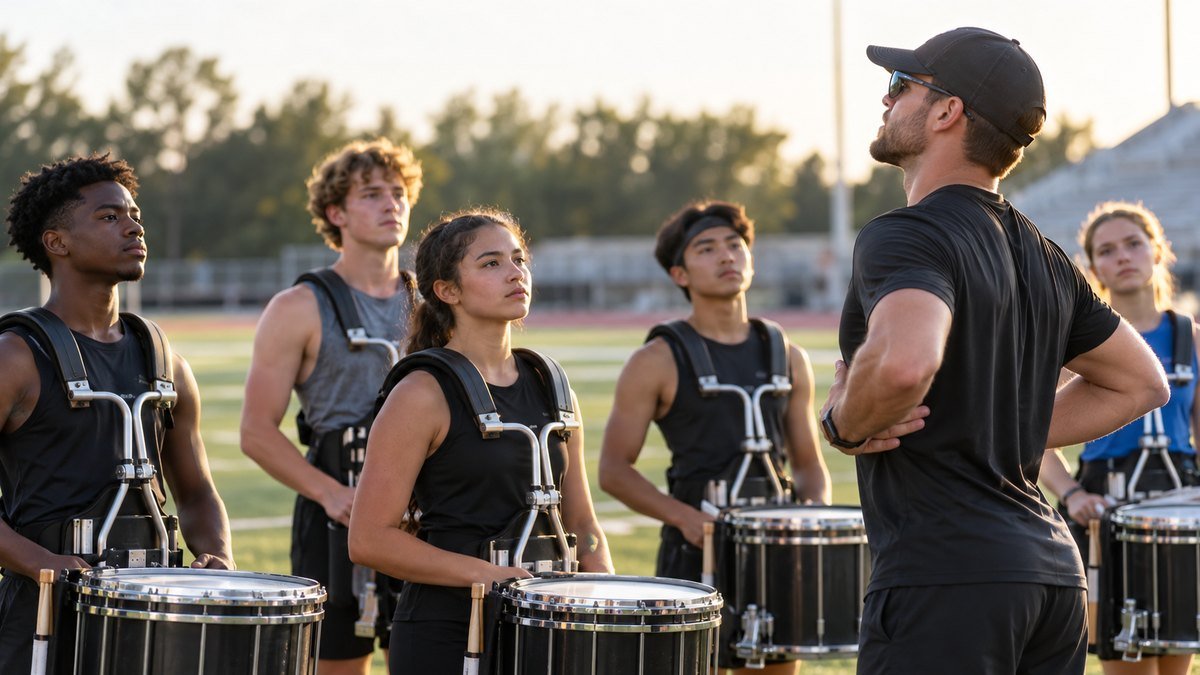
If you’re considering auditioning for Les Stentors, understanding their specific corps culture and requirements can significantly enhance your chances of success. This comprehensive guide is designed for both prospective members and their families, covering everything from preparation strategies to what to expect on audition day. By following these steps and aligning your preparation with the corps’ unique attributes, you can feel confident in your audition experience.
Key Takeaways
– Research Les Stentors to grasp the corps’ values, mission, and musical style.
– Prepare musically and mentally while focusing on the specific section for which you’re auditioning.
– Practice regularly and seek feedback from instructors or experienced performers.
– Plan travel logistics and consider costs for yourself and family support.
– On audition day, showcase your best self while remaining flexible to adapt to the corps’ expectations.
Audition Preparation Sequence
Before stepping into auditions, follow these stages to maximize your readiness:
1. Research and Understanding
Begin by familiarizing yourself with Les Stentors. Watch their performances and review their past and current repertoire. Understand their hallmark musical genres and performance techniques, as aligning your abilities with their style will be advantageous.
2. Skills Assessment
Evaluate your current musical skills. Record yourself playing or singing excerpts relevant to the audition and listen critically. Identify areas for improvement, studying core techniques and performance styles prominent in Les Stentors’ practice.
3. Selecting Repertoire
Choose pieces that exemplify your strengths while demonstrating versatility. If there are specific requirements listed by Les Stentors for your instrument or vocal part, ensure that your selections fulfill these criteria.
4. Ensemble and Individual Practice
Balance individual practice with ensemble play if possible. Join groups or community bands where you can simulate performance settings, which is invaluable for building confidence. If auditioning for brass or woodwinds, collaborate with fellow musicians to strengthen timing and harmony.
5. Mock Auditions
Organize mock auditions with peers or instructors. This will help to replicate the nerves of a live audition and allow you to receive constructive criticism. Request specific feedback on phrasing, articulation, or technical execution relevant to Les Stentors.
Section-Specific Practice Guidance
Understanding the section you are auditioning for is crucial, as each has unique expectations.
Brass Section
– Focus on tone quality and dynamic control, as these are vital for the brass repertoire.
– Practice long tones, flexibility exercises, and sprints to demonstrate technique.
– Ensure you are comfortable with standard brass literature, particularly pieces that showcase your range.
Woodwind Section
– Emphasize clarity and agility in your playing. Rely on scales and etudes that highlight these qualities.
– Include lyrical pieces in your practice that allow for expressive playing, as Les Stentors often emphasize musicality.
– Collaborate with other woodwind players for ensemble practice to fortify blend and balance skills.
Color Guard
– Focus on mastering technique with flag, rifle, and sabre. Videos or resources from former members can provide additional insight.
– Practicing routines that emphasize teamwork will enhance your ability to perform harmoniously with others.
– Ensure physical conditioning to maintain stamina throughout auditions.
Self-Assessment Checklist
Use the list below to gauge your readiness prior to auditions:
- Have I researched the corps’ music and values?
- Are my audition pieces properly selected to showcase my abilities?
- Do I practice consistently in both solo and group settings?
- Have I participated in mock auditions for feedback?
- Am I familiar with the audition requirements specific to my instrument or section?
- Have I arranged travel plans and audition logistics?
- Do I have the necessary supplies prepared (music, instruments, supplies)?
Questions to Ask Corps Staff
Communicating with corps staff can clarify any uncertainties. Here are targeted questions to consider:
- What are the specific audition requirements for my section?
- Are there particular elements in performance that the judges prioritize?
- What does the rehearsal schedule typically look like if I am accepted?
- Are there opportunities for financial assistance or scholarships during the audition process?
- Can you provide feedback post-audition regardless of the outcome?
Travel, Cost, and Family Planning
Planning your travel and budget effectively is key to this experience.
1. Budgeting
Consider the costs involved with attending auditions, such as travel, accommodation, meals, and any necessary equipment. Compiling a detailed budget will help prepare financially and avoid surprises.
2. Travel Arrangements
Book transportation early, if possible. Look into local accommodations that are family-friendly and conveniently located near the audition venue.
3. Family Support
If your family is attending, involve them in the planning process. Having their support can boost your confidence, but ensure that they are aware of the schedule and what to expect on audition day.
Audition-Day Preparation
On the day of auditions, your mindset and readiness will be crucial.
- Arrive early to familiarize yourself with the venue and calm your nerves.
- Bring all necessary materials: your instrument, music, water, and a supportive spirit.
- Warm-up individually before auditions to find your comfort zone and relax.
- Remember to stay adaptable and open to feedback from staff during your performance.
Follow-Up
After the auditions, await their response. If you get constructive feedback, take it as an opportunity for growth regardless of the outcome. Understanding your performance helps prepare for future auditions.
FAQs
1. What age range does Les Stentors accept for auditions?
Details about age eligibility should be confirmed directly with the corps.
2. Is there a fee to audition for Les Stentors?
Check with the corps or their website for any associated audition fees and extra costs.
3. Can I audition for multiple sections?
Policies about auditioning in multiple sections may vary; confirm with the corps.
4. What should I wear on audition day?
Choose attire that is comfortable yet presentable. Athletic wear is appropriate for guard, while formal attire may be more suitable for brass and woodwinds.
5. Will I receive feedback on my audition?
Inquire if they provide post-audition feedback for developmental purposes.
6. Are there opportunities for returning members?
Returning members may have different processes; confirm with the corps’ staff.
7. Can parents accompany members to auditions?
Typically parents can attend, but clarify any restrictions with the corps ahead of time.
8. What are the next steps if I’m accepted?
Ask about rehearsals, commitment expectations, and what happens next.
Ensure to confirm all details with Les Stentors directly, as policies may change and vary from season to season. For an even broader perspective on available corps, explore the DrumCorps.net directory for comparison. This will facilitate your understanding of the audition landscape within the drum corps community.