

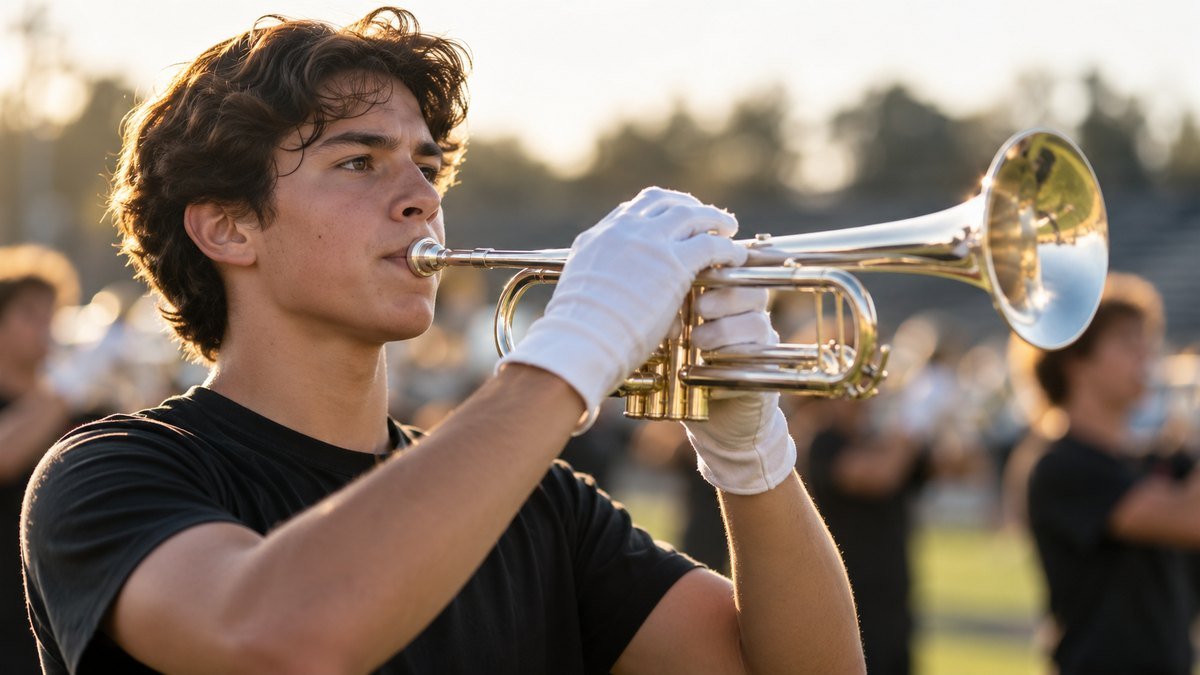
Choosing to audition for a drum corps is a pivotal step in a musician’s journey, often representing a blend of passion, skill, and commitment. Whether you’re a seasoned player or a newcomer to the marching arts, preparing for your first audition can feel overwhelming. This guide will help you navigate the essential elements of the audition process, from choosing the right corps to understanding the commitment involved. Families can play a supportive role in this journey, ensuring that aspiring members feel encouraged and informed every step of the way.
Key Takeaways
- Identify your goals and preferences when selecting a drum corps.
- Understand the time commitment associated with participating in a corps.
- Recognize that skill development is a continuous process throughout the season.
- Different corps have distinct cultures, philosophies, and performance styles.
- Audition preparation includes understanding the requirements and expectations set by each corps.
- Consider travel logistics and the associated costs when selecting a corps.
- Involve family members in discussions about commitment and planning.
- Be prepared with questions for corps staff about their program and expectations.
Comparing Programs and Corps Fit
Finding the right drum corps is instrumental in ensuring a positive and fulfilling experience. Here are factors to consider:
Style and Philosophy
Different drum corps have varying philosophies regarding performance and instruction. Some may focus strictly on competition while others prioritize education and personal growth. Research each corps’ approach through their websites and social media platforms, and consider what resonates with your personal goals.
Location
Location can greatly influence your decision on which corps to audition for. Proximity to home might affect travel logistics and rehearsal schedules. Visiting local corps performances can also give insight into their culture and enable first-hand interactions with current members.
Performance and Time Commitment
Drum corps rehearsals, performances, and competitions demand considerable time and focus. Clarify what the commitment entails:
Rehearsal Schedule
Most corps have a rigorous rehearsal schedule that can vary from weekends to daily practices as the season progresses. Some corps may have “full camp” weekends, where members stay overnight. Be sure to confirm this with the corps you’re considering.
Competition Season
The competitive season often involves travel and participation in various competitions. Understanding the duration of the tour and time spent at events is crucial to ensure that you can manage other responsibilities.
Skill Development
Joining a drum corps is an opportunity for significant musical growth. Consider the following:
Instruction Quality
Investigate the qualifications and experience of the instructional staff. A strong educational support system is crucial for enhancing your abilities.
Peer Learning
Being surrounded by talented peers can aid your development as well. Collaborating with fellow members allows for knowledge exchange and motivation to improve.
Corps Class and Culture
The atmosphere of a drum corps can greatly impact your overall experience. Here’s what to think about:
Corps Size
The size of the corps can influence your experience. Larger corps may provide more opportunities, while smaller ones often foster closer community bonds.
Core Values
Each corps upholds values that guide their mission and interaction with members. Ensure these values align with your personal beliefs and desires in a group atmosphere.
Auditions
Auditioning is a critical step in your journey. Here are some preparation tips:
What to Prepare
Each corps has specific audition materials and requirements. Be sure to confirm which instruments or skills you’ll need to showcase. Prepare audition pieces thoroughly, as this is often your first impression.
Tips for Success
Practice consistently, focusing on your chosen material. Attend any informational workshops or meetings to clarify expectations, and consider contacting current or former members for insights.
Travel and Distance
Traveling to rehearsals and performances is a common aspect of drum corps life. Here’s what to consider:
Distance from Home
Long-distance travel for camps can add logistical challenges. Calculate the distance and potential travel time required to participate consistently.
Travel Expenses
When you join a corps, you want to be aware of the potential costs associated with travel, including transportation, accommodation, and meals during tour season. Be sure to discuss these financial considerations with your family.
Costs and Family Planning
Understanding the cost of participation is essential for planning:
Tuition and Fees
Confirm the tuition rates and any associated costs directly with the corps. Some corps may offer scholarships based on need or merit.
Family Support
Involve your family in discussions about the commitment and financial implications. Their support will be invaluable as you navigate this process.
Questions to Ask Corps Staff
Preparing questions for corps staff shows your seriousness and interest in their program. Consider asking:
- What are the expectations for members, both musically and behaviorally?
- How often do you hold rehearsals, and what is the daily schedule during tours?
- What is the structure of instruction and mentorship for new members?
- How do you support members in balancing their academics or jobs with corps commitments?
- What are the avenues for scholarships or financial assistance?
Practical Comparison Worksheet
Create a simple comparison worksheet to help you evaluate different corps. Include sections for:
- Name of the corps
- Location
- Rehearsal and tour commitments
- Instruction and mentoring style
- Estimated cost and funding options
- Values and culture
- Peer group quality
FAQs
- How do I choose between multiple corps? Consider factors like instructional quality, corps philosophy, and your personal goals. Attend informational sessions or meet with current members.
- Are auditions the same for every corps? No, each corps has unique audition requirements and processes. Check their official registration materials.
- What if I don’t make the corps I audition for? Use the experience to seek feedback for improvement. Consider auditioning for other corps or programs in future seasons.
- Can I audit for more than one corps at the same time? Yes, but confirm the policies of each corps regarding simultaneous auditions.
- Is it common for families to travel during the tour? Some families choose to attend competitions, while others may need to stay home. Consider logistics and costs.
- Are there any age limitations for drum corps? Yes, each corps may have specific age ranges based on the membership policy set by DCI. Check with individual corps.
- What should I bring to an audition? Ensure you bring all necessary instruments, personal gear, and any required paperwork. A positive attitude and readiness to learn are essential.
- Do corps provide housing during tours? Most corps provide housing arrangements during tour seasons. Verify the specifics with your chosen corps to understand the living conditions.
As you embark on this exciting journey into the world of drum corps, take the time to thoroughly research and compare the programs that interest you. The more informed you are, the better equipped you’ll be to make the right decision for yourself. Be sure to consult with each corps directly regarding details specific to their offerings and any policies that may apply. Good luck, and enjoy the adventure ahead!