
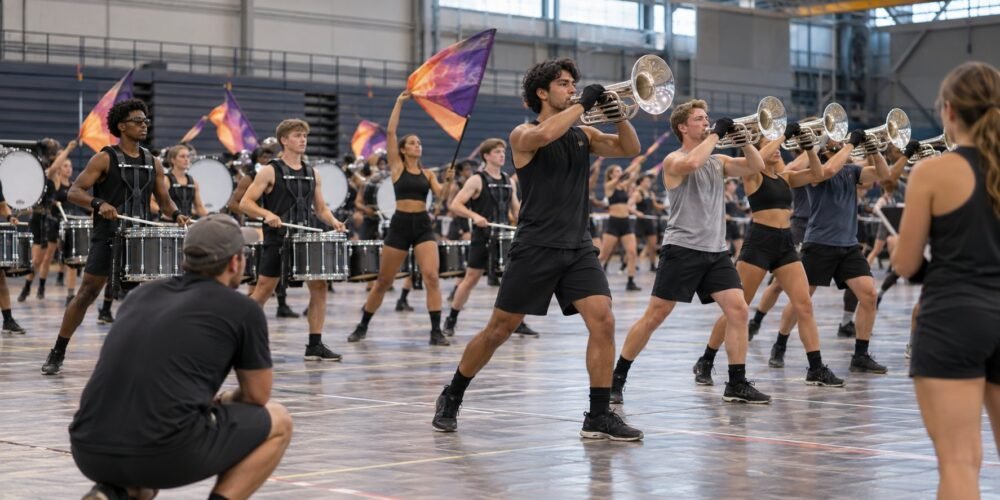
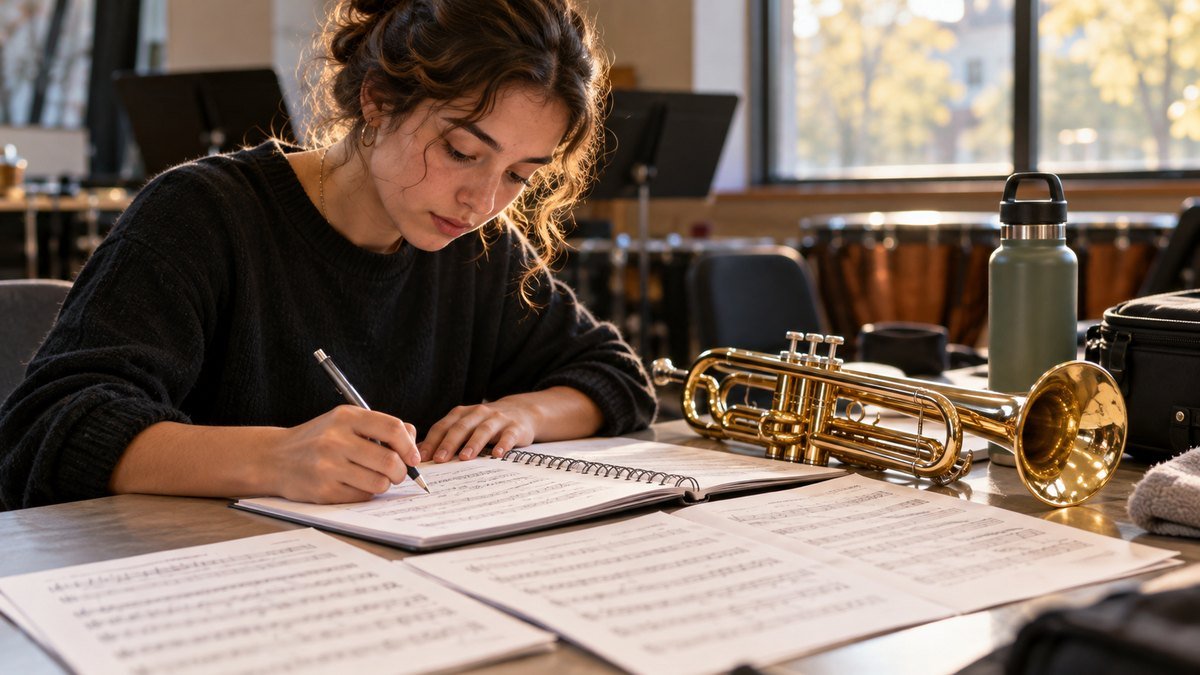
The Reading Buccaneers are a highly respected competitive drum corps with a rich tradition, inviting prospective members to audition for a chance to join their ranks. Understanding the audition process can set applicants apart and ease the journey for both members and their families. This comprehensive guide outlines vital steps, tips, and considerations to prepare for auditions effectively, emphasizing expectations and what to focus on during preparation and participation.
Key Takeaways
– Familiarize yourself with the Reading Buccaneers’ mission and performance style.
– Develop a solid audition preparation routine tailored to your section.
– Utilize a self-assessment checklist to evaluate readiness.
– Prepare practical questions to ask corps staff prior to and during auditions.
– Plan travel and costs in advance, considering the impacts on family involvement.
– Ensure all logistical aspects are ironed out before audition day.
Audition Preparation Sequence
Preparing for auditions involves multiple stages to ensure you present your best self on audition day. Here’s a suggested timeline:
1. Research the Corps
Start by understanding the Reading Buccaneers’ history, values, and performance style. Listening to past performances or watching videos can provide insights into what the corps emphasizes during rehearsals and performances.
2. Assess Personal Commitment
Joining a competitive drum corps requires dedication. Have honest discussions with your family about your time commitment, potential travel, and what support you may need throughout the season.
3. Skills Development
Identify key skills required for your specific section, whether that be brass, drums, or colorguard, and begin rigorous practice to elevate your proficiency.
4. Mock Auditions
Conducting mock auditions with peers or instructors can help simulate audition conditions and provide constructive feedback. Focus on areas such as technique, musicality, and stage presence.
Section-Specific Practice Guidance
Different sections of the corps may have particular expectations and materials for auditions. Here’s how to approach your section:
Brass Audition Tips
– Focus on tone production and intonation. Regularly practicing with a tuner can be beneficial.
– Prepare to play standard warm-up exercises and excerpts that may be provided by the corps.
– Work on your sight-reading skills since this is often a component of the brass auditions.
Percussion Audition Tips
– Strengthen your rudimental skills and ensure you’re comfortable with various time signatures and tempos.
– You may need to play both concert and marching percussion pieces; be well-versed in both.
– Include dynamics and stylistic interpretations in your practice routines.
Colorguard Audition Tips
– Focus on your technique with added emphasis on body movement, dance, and equipment skills.
– Prepare choreographed pieces that showcase your individual style and capabilities.
– Work on your ability to perform in various styles (e.g., lyrical vs. high-energy routines).
Self-Assessment Checklist
As audition day approaches, use the following checklist to gauge your readiness:
– [ ] Solid understanding of your instrument or colorguard equipment.
– [ ] Prepared audition repertoire as required by the corps.
– [ ] Completed several mock auditions with positive feedback.
– [ ] Physical fitness preparation, especially if auditioning for a marching role.
– [ ] Emotional readiness, managing performance anxiety, and stress.
Questions to Ask Corps Staff
Engaging with the corps staff can provide clarity on what to expect. Prepare some questions, such as:
1. What specific skills or qualities are you looking for in prospective members?
2. Can you provide insights into the audition process duration and format?
3. What type of commitment (time, travel, costs) should I prepare for?
4. Are there any section-specific materials or pieces I should prioritize?
Travel, Cost, and Family Planning
Understanding the logistical aspects is crucial before entering the audition process:
Travel Arrangements
Map out travel to audition sites, considering distance and potential overnight stays. Coordinate carpooling with other potential members whenever possible to reduce cost and make the journey enjoyable.
Cost Considerations
Auditioning may entail registration fees, travel expenses, and possible additional costs associated with uniforms or equipment. Be transparent with your family about these financial implications.
Family Planning
Discuss the audition commitment openly to prepare your family for what to expect, from transport needs to emotional support throughout the audition process.
Audition-Day Preparation
To put your best foot forward on the day of auditions:
– Arrive early to familiarize yourself with the location and to space out any preparation needed.
– Bring all necessary materials, including your instrument, music, and any required paperwork.
– Maintain a calm and positive mindset through warm-up routines and intentional breathing exercises.
Follow-Up
After auditions, it’s important to follow up with the corps. Thank the staff for their time and express your continued interest. Await feedback, and if necessary, seek constructive criticism for future endeavors.
FAQs
1. What criteria do the Reading Buccaneers use to assess members during auditions?
Prospective members are typically evaluated based on their musical skills, technical proficiency, and ability to work within a team environment.
2. Are there any age restrictions for auditioning?
This should be confirmed with the corps, as age policies may vary from year to year.
3. What is the typical length of the audition process?
The duration can vary depending on the number of applicants and the corps’ specific organization for auditions.
4. Should I prepare any specific pieces or exercises for the audition?
Yes, be sure to inquire specifically with the corps about any required repertoire or exercises to prepare.
5. Is there any financial assistance available for those accepted into the corps?
Financial aid options should also be confirmed with the corps, as the availability of scholarships or payment plans can change.
6. What should I do if I don’t make the corps on my first try?
Persistence is key. Seek feedback from staff, continue to develop your skills, and consider re-auditioning in the future.
7. Can parents or guardians attend auditions?
Check with the corps about their policies regarding audience or support during auditions, as this may vary.
8. What is the next step after a successful audition?
If accepted, you’ll typically receive detailed information regarding the rehearsal schedule, travel arrangements, and any necessary onboarding processes.
Being well-prepared and informed is essential for a successful audition with the Reading Buccaneers. Remember that while this guide outlines essential preparation tactics, the specific requirements and expectations can only be confirmed by the corps. Take time to gather information, practice diligently, and embark on this exciting journey to become part of such a storied organization. For more insights and comparisons, explore the DrumCorps.net directory.