
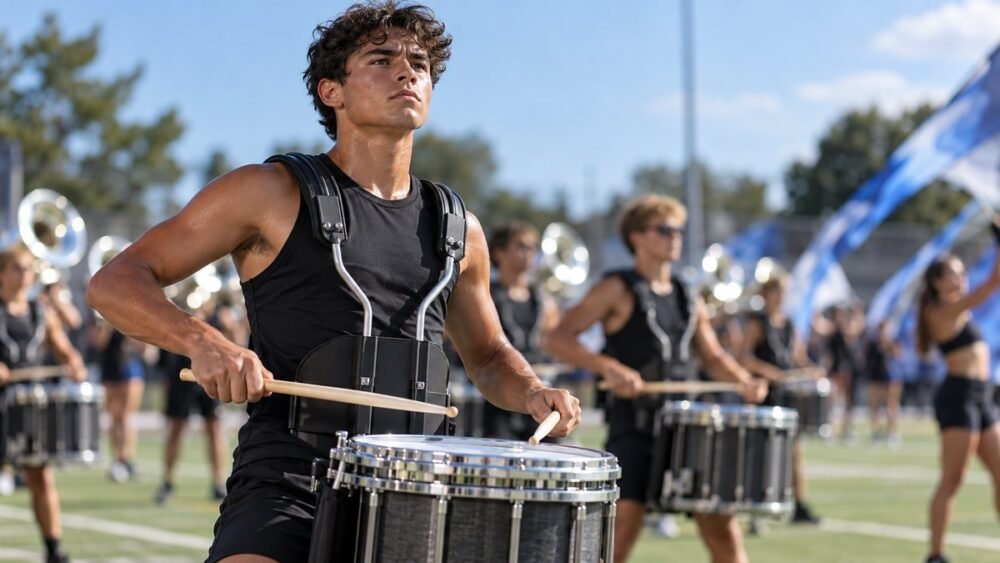

Joining Music City Drum Corps can be an exciting and transformative experience for aspiring performers. As with any competitive ensemble, preparing for auditions is crucial to your success. This guide offers a comprehensive look at what you need to know to audition effectively for Music City Drum Corps, including essential preparation steps, practice strategies, and important logistical considerations for prospective members and their families. We aim to set you on the right path to pursue this unique opportunity in the vibrant world of drum corps.
Key Takeaways
– Understand the unique ethos of Music City Drum Corps and how to align your skills and passion with its mission.
– Prioritize early preparation, focusing on musicality, technique, and team dynamics.
– Engage with current members and staff to build relationships and gain insights.
– Plan ahead for travel, costs, and family support to ensure a smooth audition experience.
Audition Preparation Sequence
Your journey begins long before the audition day. Here’s a step-by-step approach to crafting a solid preparation plan:
1. Research Music City Drum Corps
Familiarize yourself with the corps’ style, history, and mission.
2. Assess Your Skill Level
Evaluate your current abilities honestly to identify areas for growth.
3. Create a Practice Schedule
Allocate specific times for daily practice, incorporating a variety of exercises that enhance your musical skills.
4. Seek Feedback
Once you’ve practiced for a while, get constructive feedback from instructors or current members to refine your technique.
5. Prepare Audition Materials
Ensure you have all necessary materials, such as sheet music, recordings, or any specific exercises required by the corps.
Section-Specific Practice Guidance
Different sections within the drum corps will have specific requirements. Whether you’re a brass player, percussionist, or in the color guard, tailor your preparation accordingly.
Brass Players
Focus on tone production, range exercises, and playing through the audition repertoire. Practice with a metronome to develop timing and rhythm.
Percussionists
For drum set, mallets, or battery percussion, focus on rudiments, rhythms, and specific pieces. Consider recording your sessions to self-assess.
Color Guard Members
Master fundamental flag, rifle, or sabre techniques. Work on coordination and expressiveness, as visual performance is vital in this section.
Self-Assessment Checklist
Use this checklist to evaluate your readiness before the audition:
– [ ] Have I researched the corps thoroughly?
– [ ] Have I practiced the required repertoire?
– [ ] Did I receive feedback on my performance?
– [ ] Do I feel comfortable with the ensemble dynamics?
– [ ] Do I have the necessary equipment and attire?
– [ ] Have I prepared mentally and emotionally for the experience?
Questions to Ask Corps Staff
During your audition process, engage with corps staff to clarify any uncertainties:
– What are the specific expectations for auditions in my section?
– How is the audition process structured?
– What opportunities for growth and learning does the corps provide?
– How does the corps handle member commitments, including time and involvement?
– Are there any financial obligations or fundraising expectations?
Travel, Cost, and Family Planning
Planning your logistics is vital to ensure a successful audition experience.
Travel Arrangements
If auditioning from out of town, consider travel options, accommodations, and transportation to the audition venue.
Financial Considerations
While corps typically discuss costs related to membership, uniforms, and travel during the audition process, be prepared by discussing options for funding or scholarships.
Family Support
Involve family members in the planning process. Their support can help with emotional preparation and logistics.
Audition Day Preparation
The day of the audition can be nerve-wracking. Follow these tips to ensure you arrive prepared:
– Get a good night’s sleep before the audition to be well-rested.
– Arrive early to familiarize yourself with the environment.
– Bring all necessary equipment, identification, and audition materials.
– Dress appropriately, adhering to any specified audition attire.
Follow-Up
Once auditions conclude, follow up with the corps staff:
– Thank them for the opportunity and express your gratitude.
– Inquire about feedback on your audition and any possible next steps.
– Stay engaged with the corps’ social media to foster relationships.
FAQs
1. What are the audition requirements for Music City Drum Corps?
Audition requirements can vary by section. Refer to the corps’ announcements for specific details.
2. When are auditions typically held?
Audition dates differ each season, confirming with Music City is essential.
3. Is there a fee to audition?
Audition fees can vary. Check with the corps for the most current information.
4. What if I can’t attend auditions in person?
Inquire with the staff about possible video submissions or alternative arrangements.
5. How long does the audition process take?
This varies based on the number of applicants and the corps’ specific schedule.
6. What should I do if I don’t make the corps this year?
Stay motivated! Seek constructive feedback and consider re-auditioning next season.
7. Are there performance opportunities after auditions?
After auditions, corps may offer workshops or camps that provide performance experiences.
8. Can I audition for multiple sections?
Contact the corps for their policy on auditioning for more than one section.
Preparing for auditions at Music City Drum Corps is a journey that involves commitment, practice, and engagement with the corps community. Confirm specifics with the organization as you proceed, and don’t hesitate to explore the DrumCorps.net directory for further information on other drum corps programs.